
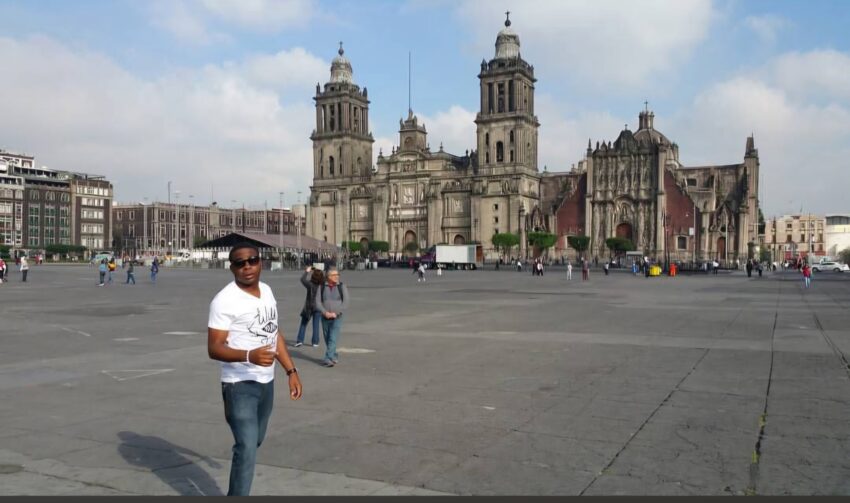
1. ARRIVING IN MEXICO CITY: GROUND TRANSPORT & TRANSIT REALITIES
- Airport & Station Realities: Mexico City is served primarily by Aeropuerto Internacional Benito Juárez (MEX/AICM), located about 20–40 minutes east of the city center depending on traffic. If you land at Felipe Ángeles International Airport (AIFA/NLU), expect a 60–90 minute trek to central neighborhoods via the Suburbano train extension or direct shuttles.
- Rideshare vs. Taxis at MEX: Uber and Didi operate at MEX, but federal rules periodically shuffle exact pickup points outside Terminals 1 and 2. Follow the exact gate directions in your app (often near Outer Curb Bay or Gate 7 at T1, and Ground Level Gate 2 at T2). Rookie Mistake: Do not accept rides from touts yelling “Taxi!” or “Uber!” inside the arrivals hall. If you prefer a taxi, purchase a prepaid ticket voucher inside the terminal at official kiosks (e.g., Porto Taxi, Sitio 300) before stepping outside.
- Transit Card: Grab a Tarjeta de Movilidad Integrada (MI Card) for 15 MXN at Metro or Metrobús stations. It covers the Metro (5 MXN flat fee), Metrobús BRT system (6 MXN, or 30 MXN for Line 4 Airport buses), Trolebús, Cablebús, and Ecobici. You can tap multiple people through on a single card. Contactless debit/credit cards now work on select Metrobús turnstiles, but physical MI cards are far more reliable.
[AFFILIATE LINK: Secure Your High-Speed Mexico eSIM] 🚘 Bypass Transit Chaos & Taxi Lines: Dragging luggage through multi-level train stations or terminals after a long flight is miserable. Secure a flat-rate private transfer directly to your hotel doorstep.
[AFFILIATE LINK: Reserve Your Fixed-Rate Mexico City Airport Ride] - Luggage Storage Hacks: Most transit hubs don’t offer traditional left-luggage lockers. Use Bounce or LuggageHero to drop bags at vetted local shopfronts, cafes, and hotels in Condesa, Roma Norte, or Centro Histórico for ~$6 USD/day while waiting for your 3:00 PM check-in. 🧳 Ditch Your Luggage Early: Don’t kill your first day waiting for a 3:00 PM check-in. Lock in secure bag storage at nearby shops for a few bucks.
[AFFILIATE LINK: Book Instant Luggage Drop Points via Bounce]
2. WHERE TO BASE YOURSELF & HOW TO FIT IN
- Neighborhood-by-Neighborhood Guide:
- Roma Norte & Condesa: Tree-lined avenues, Art Deco architecture, third-wave coffee shops, and peak expat/tourist density. Vibe: Extremely walkable, high safety, bustling night energy, but higher prices and noisy on main arteries (e.g., Av. Insurgentes, Tamaulipas).
- Juárez / Zona Rosa: Located between Roma and Reforma. Vibe: Trendy, central, and home to “Little Seoul” (Korean dining) and the vibrant LGBTQ+ night scene. Extremely walkable with a mix of gritty urban commercial strips and gentrified side streets.
- Coyoacán: Cobblestone streets, colorful colonial estates, and leafy plazas 35–45 minutes south of the center. Vibe: Bohemian, relaxed, rich in culture (Frida Kahlo Museum), quiet at night, but requires Uber/transit commutes to reach central sights.
[AFFILIATE LINK: Check Top Neighborhood Hotels & Stays on Booking.com] - What to Wear & Packing Realities: Mexico City sits at 7,350 feet (2,240 m) elevation. High altitude means cool mornings and nights (50°F / 10°C) and mild-to-warm afternoons (75°F / 24°C). Dress in breathable layers. Chilango fashion leans smart-casual: jeans, clean sneakers, boots, and light jackets. Avoid flip-flops, athletic gym shorts, or beachwear outside hotel pools—they mark you immediately as a tourist.
- Base Logistics & Daily Flow: Weekday peak rush hours (7:30 AM–9:30 AM and 6:00 PM–8:30 PM) paralyze both road traffic and Metro/Metrobús networks. Schedule movements within single neighborhoods during these windows, or use Metro/Metrobús off-peak. Most specialty coffee shops open by 7:30 AM, but boutiques and museums rarely open before 10:00 AM or 11:00 AM. Note: Nearly all public museums are closed on Mondays.
3. MAJOR SIGHTS, FAST-TRACK PASSES & BETTER LOCAL SPOTS
- Rethinking Major Sights:
- Museo Frida Kahlo (Casa Azul): Tickets must be booked online weeks in advance for a specific time slot; no walk-up sales exist.
- Museo Nacional de Antropología: A world-class museum in Chapultepec Park. Allocate at least 3 hours; visit early at 9:00 AM to beat tour groups.
- Teotihuacán Pyramids: 1 hour northeast of the city. Go at 8:00 AM opening to beat the midday sun and bus crowds.
[AFFILIATE LINK: Secure Skip-the-Line Entry Passes Here] - Overrated Sights & Superior Alternatives:
- Skip: Trajinera boats at central Xochimilco (Embarcadero Nativitas): Can feel overly commercialized, loud, and choked with aggressive vendors.
- Better Local Spot: Chinampa ecological tours in San Gregorio or Cuemanco (Xochimilco): Book a sunrise eco-tour to experience the ancient Aztec agricultural canals, native axolotls, and quiet misty waters away from party boats.
[AFFILIATE LINK: Reserve an Insider Small-Group Tour]
4. EATING & DRINKING LIKE A LOCAL
- Culinary Staples & Ordering Customs: Try Tacos al Pastor (pork shaved from a vertical spit with pineapple), Suadero (confit beef brisket), Tacos de Canasta (sweated basket tacos), and Pambazos (bread dipped in guajillo sauce and grilled). At street stands, order first, eat, and state what you had to pay at the end (al final). Tipping (la propina) at sit-down restaurants is standard at 10%–15%; street taco stands do not require tips, though leaving spare coins is appreciated. 🍢 Taste the Real Back-Alley Food Scene: Avoid tourist-trap menus by hitting hidden counter-service spots with a local guide.
[AFFILIATE LINK: Book the Best Local Food & Market Tour] - The Real Food Truck & Street Food Scene: The best street stalls are found near Metro entrances, office corridors, and market edges. Look for long lines of locals and active griddles (comales). Salsas sitting in metal tubs are self-serve: green (verde) is often raw/tomatillo-based, red (roja) is roasted/spicier.
- Meal Timings & Dining Etiquette: Lunch (la comida) is the primary meal of the day, eaten between 2:00 PM and 4:30 PM. Dinner (la cena) is lighter and eaten late, starting around 8:00 PM or 9:00 PM. To ask for the bill, catch your server’s eye and say “La cuenta, por favor.”
- Neighborhood Eating Hotspots:
- Roma/Condesa: Taquería Orinoco (famous northern-style late-night tacos), El Jarocho (casual seafood), Contramar (famous tuna tostadas; book weeks ahead).
- Centro Histórico: Mercado San Juan (gourmet, exotic meats, and cheeses), Tacos Los Cocuyos (legendary late-night suadero/head meat tacos).
- Narvarte: A residential neighborhood packed with some of the city’s finest traditional taquerías (e.g., El Vilsito, an auto repair shop by day that turns into a massive pastor stand by night).
- Nightlife & Bar Culture: Craft cocktail bars rule (e.g., Handshake Speakeasy, Licorería Limantour). For casual drinking, head to traditional cantinas like La Ópera or La Mascota, where ordering drinks often brings complimentary small food plates (botanas). Try Mezcal neat, served with orange slices and worm salt (sal de gusano), never shot quickly.
- Coffee Culture: Traditional panaderías serve Café de Olla (coffee brewed with cinnamon and piloncillo sugar in clay pots). For specialty espresso, visit roasters like Café Avellaneda (Coyoacán), Quentin (Roma/Condesa), or Cicatriz (Juárez).
5. TOURIST TRAPS & OVERPRICED TRAPS TO AVOID
- Overpriced Dining Traps: Rooftop restaurants directly facing the Zócalo or Palacio de Bellas Artes often charge double for mediocre food and sub-par service—go for a quick drink during sunset, but dine elsewhere. Avoid restaurants with English-only promoters waving menus at you in Calle Regina or Coyoacán’s main plaza.
- Experiences to Skip: Hop-On Hop-Off buses through central CDMX spent most of their time trapped in gridlocked traffic. Walking, the Metrobús Line 7 upper deck along Reforma, or targeted Ubers offer far better value and speed.
6. SHOPPING, THRIFTING & FASHION HUBS
- Fashion & Retail Destinations: Avenida Presidente Masaryk in Polanco is CDMX’s luxury flagship strip (Gucci, Chanel, local high-end designers). For independent Mexican designer fashion and lifestyle boutiques, walk Calle Colima and Calle Córdoba in Roma Norte.
- Thrifting, Vintage & Flea Markets:
- Mercado de La Lagunilla (Sundays): The ultimate Sunday flea market for vintage clothing, antique furniture, vinyl, and street fashion. (Stay inside the main market corridors and keep valuables secured).
- Bazar Sábado (Saturdays): Located in San Ángel, showcasing upscale art, handcrafted textiles, jewelry, and ceramics.
- Market Etiquette & Bargaining: Fixed prices apply at brick-and-mortar boutiques and grocery stalls. Gentle bargaining is acceptable at artisan markets (like Mercado de Artesanías La Ciudadela) if buying multiple items, but avoid aggressive haggling over small amounts with rural artisans.
7. ETIQUETTE, SLANG & LOCAL LIFE
- Social Etiquette & Norms: Always greet shopkeepers, drivers, and waiters with “Buenos días” (morning) or “Buenas tardes” (afternoon). Saying “Provecho” (bon appétit) to neighboring diners when entering or leaving an eatery is customary. On the Metro, the front cars are strictly reserved for women and children under 12.
- Everyday Regional Slang:
- “¡Chido!” (CHEE-doh): “Cool” or “awesome.” Context: “¡Qué chido tu café!” (Your coffee is so cool!)
- “¿Qué onda?” (keh OHN-dah): Informal “What’s up?” or “How’s it going?”
- “Chilango” (chee-LAHN-goh): A resident or native of Mexico City.
- “Güey” (way): “Dude” or “mate”—used constantly among friends.
- Socio-Cultural Context: Mexico City is an incredible tapestry of 16 boroughs (alcaldías) built over ancient Aztec lake beds. Neighborhoods can transition quickly from ultra-modern high-rises to traditional, family-run barrios. Respect local space, avoid playing loud audio on transit, and keep street voices modest.
8. HIDDEN CORNERS & NEIGHBORHOOD WALKS
- Quiet Corners & Unmarked Spots:
- Audiorama (Chapultepec Park): A secluded outdoor nook behind the Castle surrounded by trees and bamboo, where classical or ambient music plays through hidden speakers for quiet reading.
- Plaza Luis Cabrera: A peaceful Roma Norte square with fountains, book kiosks, and shadow-dappled benches away from main traffic.
- Step-by-Step Neighborhood Walk: Roma Norte
- Start: Plaza Río de Janeiro – Admire the central replica of Michelangelo’s David and the surrounding Porfirian-era mansions like La Casa de las Brujas.
- Stop 1: Walk down Calle Colima – Browse independent art galleries, bookshops, and boutique clothing stores. Stop for a pour-over at Café Quentin.
- Stop 2: Walk south to Avenida Álvaro Obregón – Stroll down the green central median (camellón) filled with sculptures and historic bench seating.
- Finish: Mercado Roma – End at this gourmet food hall for a craft beer, churros from El Moro, or artisanal tacos.
9. STREET SMARTS, MONEY & SAFETY
- Safety & Local Scams:
- CDMX is generally safe in tourist-friendly boroughs (Roma, Condesa, Polanco, Coyoacán, Juárez, San Rafael), but stay alert.
- Keep phones off display while standing near open vehicle windows or street curbs. Avoid walking through Centro Histórico east of the Zócalo or Tepito late at night.
- Scam Warning: Beware of fake “petition signers” or people who accidentally spill condiment/liquid on your jacket to distract you while an accomplice picks your pockets.
- Cash, Cards & ATMs: Credit cards (Visa/Mastercard) are accepted at almost all brick-and-mortar stores and restaurants. Cash (efectivo) in small denominations (20, 50, and 100 peso bills) is essential for street food, markets, and tipping. Always use ATMs located inside bank branches (e.g., BBVA, Banorte, Santander) rather than standalone street kiosks. Always decline the ATM’s offered currency conversion rate to get your own bank’s superior exchange rate.
- Essentials & Infrastructure:
- Tap Water: Do NOT drink tap water in Mexico City. Use filtered/bottled water for brushing teeth and drinking. Ice in tourist restaurants is made from purified commercial water and is safe.
- Restrooms: Public restrooms (baños) cost 5–10 MXN; carry spare coins and your own pocket tissues.
- Wi-Fi: Mexico City offers extensive free public Wi-Fi (WiFi CDMX) at most public plazas and Metrobús stops, but use a VPN on public networks.