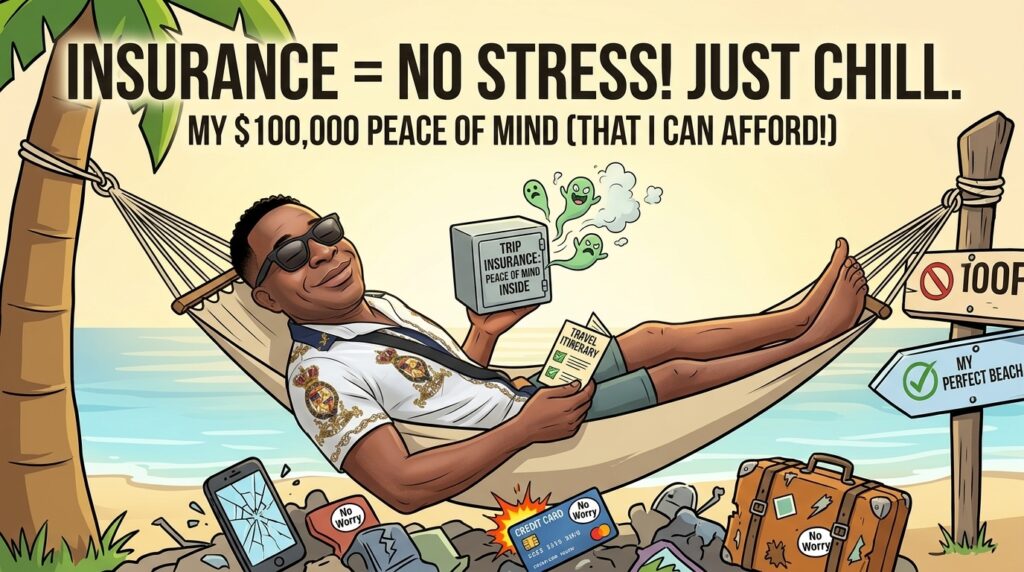
Planning a trip usually centers on the fun details: finding boutique hotels, curating daily itineraries, and hunting down regional dishes to try. Reading through fine-print insurance policies, on the other hand, rarely makes the cut.
It is easy to view travel insurance as an extra, unnecessary expense—especially if past trips have gone off without a hitch. But when things do go wrong far from home, a minor hiccup can turn into a massive financial headache.
Whether you are planning a two-week vacation or living as a digital nomad, understanding how travel insurance operates isn’t just about protecting a flight ticket. It is about protecting your life savings.
The True Cost of Unexpected Disruptions Abroad
It is easy to assume that major medical emergencies or travel catastrophes happen to “other people.” In reality, unexpected disruptions happen every day to everyday travelers.
To see how quickly expenses add up, consider these real-world travel scenarios:
• Scenario 1: A Severe Injury in Europe A simple trip-and-fall on a steep, cobblestone street in Spain or Italy results in a broken leg. The immediate aftermath includes an ambulance ride, hospital admission, diagnostic imaging, emergency surgery, and specialized transportation home. Total bills can easily climb past $30,000.
• Scenario 2: An ATV or Rental Scooter Accident Renting a quad bike or scooter to reach a secluded beach in Greece or Bali seems harmless—until an accident occurs. Between emergency medical care, prolonged hospital stays, and air ambulance transport back home, costs can surpass $100,000.
• Scenario 3: An Unexpected Illness Far from Home A sudden severe infection or gastrointestinal crisis in a country with high healthcare costs can land you in intensive care for days. Medical treatment combined with delayed flight rebookings can total tens of thousands of dollars out of pocket.
When faced with these numbers, every traveler needs to ask themselves one clear question: Could I comfortably pay for a major medical emergency out of pocket today? For almost everyone, the answer is no.
Travel Insurance vs. Health Insurance: What’s the Difference?
One of the biggest misunderstandings among travelers is confusing international travel insurance with primary health insurance. They are designed for completely different purposes.
Standard travel insurance acts as a short-term safety net. It protects against unexpected events occurring during a specific trip window—like sudden illness, medical evacuations, cancelled flights, or stolen baggage.
However, standard travel policies generally do NOT cover: • Routine wellness checkups or preventative care abroad • Ongoing management or prescriptions for chronic pre-existing conditions • Non-emergency visits to local clinics • Long-term medical care if you move outside your home country • Claims during trips that exceed your policy’s maximum allowable trip length (often capped at 30, 45, or 60 consecutive days on annual plans)
6 Key Coverage Areas to Look For Before You Buy
When shopping for coverage, focusing solely on the cheapest price tag can leave you vulnerable to massive gaps. Look closely at these core areas in any policy:
- Medical Coverage Limits Check the policy cap on medical expenses. A policy offering $25,000 in emergency medical limits may sound substantial, but in severe cases, it can run out within 24 hours. Look for plans with higher coverage limits—ideally $100,000 to $250,000 or higher for international travel.
- Emergency Medical Evacuation If you are injured in a remote region, on a cruise ship, or in an area without proper trauma facilities, moving you to a capable hospital requires air evacuation. Evacuation costs can reach six figures. Ensure your plan includes dedicated evacuation benefits separate from general medical care.
- Pre-Existing Condition Waivers If you manage an existing health condition, standard policies may deny related claims unless you secure a pre-existing condition waiver. Most providers require you to purchase your policy within a strict window (often 10 to 21 days) after making your initial trip deposit to qualify.
- Trip Cancellation and Interruption If a covered event—like personal illness, severe weather, or a family emergency—forces you to cancel your trip before departure, cancellation benefits reimburse non-refundable prepaid costs. Interruption benefits step in if an emergency forces you to return home early.
(Note: Standard policies do not reimburse you simply because you changed your mind or feel nervous about traveling. For total flexibility, look into “Cancel For Any Reason” upgrades.)
- Travel Delays and Luggage Protection Flight cancellations, missed connections, and misplaced baggage happen constantly. Delay benefits cover necessary temporary expenses—like a hotel room, meals, and transit—while baggage coverage helps reimburse essential clothes and gear if your bags go missing.
- Activity and Excursion Exclusions Planning to ski, scuba dive, drive a rental scooter, or participate in high-altitude trekking? Read the policy exclusions closely. Many standard policies automatically exclude high-risk sports or motorized rentals unless you add an adventure sports rider to your plan.
Crucial Fine Print Exclusions to Watch For
Before finalizing any plan, read the fine print for these common exclusions: • Alcohol or Substance Exclusions: Injuries sustained while under the influence are frequently denied by insurers. • Government Travel Warnings: Visiting destinations under active high-level travel advisories can nullify coverage. • Supplier Insolvency: An airline or tour company going out of business isn’t automatically covered under every standard plan.
3 Essential Steps Before You Head to the Airport
- Save Emergency Contacts: Download a digital copy and print a physical paper copy of your policy number, insurance card, and the insurer’s 24/7 global emergency assistance phone number.
- Share Details with Family: Leave a copy of your policy documents and emergency contact info with a trusted friend or family member at home.
- Contact Assistance First: In any non-life-threatening medical situation, call your insurance provider’s emergency hotline before paying for costly treatments or arranging transport so they can coordinate payment directly with the facility.
Protecting Your Investments and Your Future
Travel insurance isn’t about expecting bad luck—it is about ensuring that an unexpected event doesn’t jeopardize your financial security or compromise your health. Taking a few minutes to compare policies and select appropriate coverage guarantees that when you lock your front door and head out on your next adventure, your journey stays protected every step of the way.
(Preparing for an upcoming trip? [Compare top-rated travel insurance plans and get a customized quote here].)
What’s your take on travel insurance? Have you ever had to file a claim while traveling abroad, or encountered an unexpected gap in your coverage? Let’s talk about it in the comments below!